Modern Construction Building Smarter,Faster, and Better
Construction has always played a major role in shaping human progress. From early huts and stone structures to temples, bridges, and skyscrapers, every stage of development has depended on building techniques available at that time. But the world is changing rapidly, and so is the construction industry. Today, the sector has entered a new era known as modern construction—a combination of technology, engineering, sustainability, and innovation designed to create stronger, faster, and more efficient structures.
This blog explores the meaning, techniques, benefits, challenges, and future of modern construction in a comprehensive yet easy-to-understand way.
1. What Is Modern
Modern Construction refers to new and advanced building methods that use technology, improved materials, smart planning, and efficient processes. It focuses on:
- Reducing construction time
- Increasing safety
- Delivering higher quality
- Lowering waste and cost
- Supporting sustainability
- Creating smart, energy-efficient buildings
Unlike traditional methods that rely heavily on manual labor, modern construction integrates machines, digital tools, prefabrication, automation, and eco-friendly ideas. This helps builders deliver projects faster and with fewer errors.
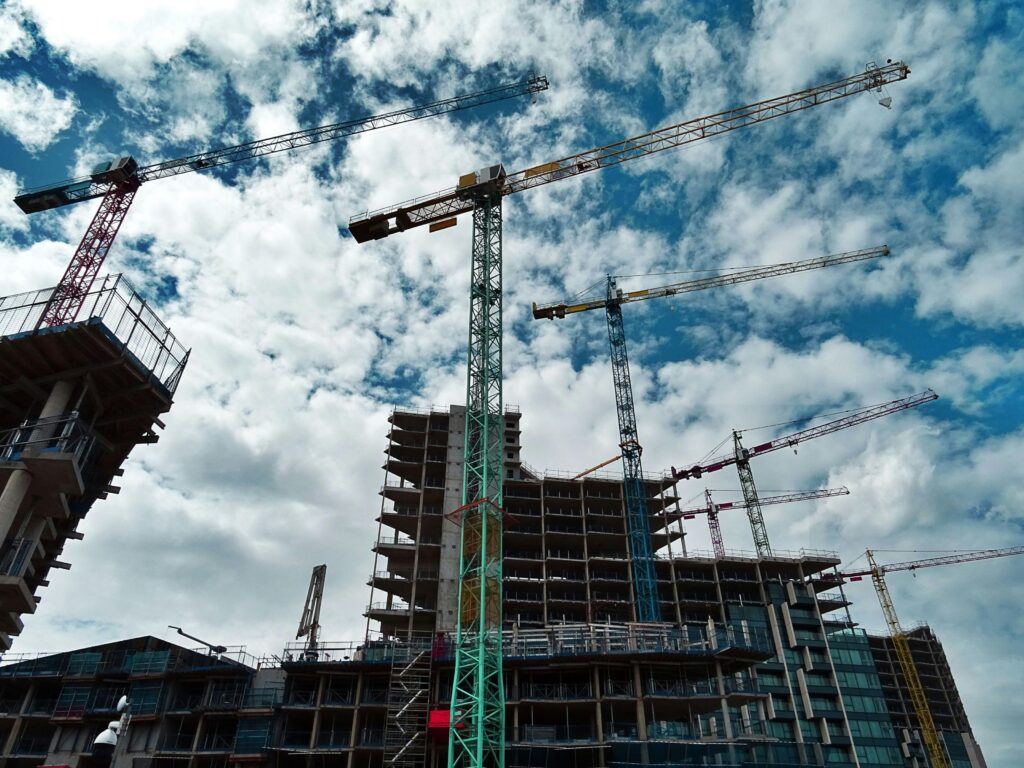
2. Why Modern Construction Matters Today
Cities are growing, populations are increasing, and the demand for strong and affordable buildings is higher than ever. Modern construction helps meet these demands through:
A. Faster Delivery
Advanced tools allow large projects to finish in months instead of years.
B. Better Resource Management
Using digital systems reduces material wastage and unnecessary expenses.
C. Improved Quality
Modern techniques ensure long-lasting structures with fewer maintenance issues.
D. Sustainability
Modern methods support eco-friendly materials and energy-saving designs.
Because of these advantages, governments, companies, and architects around the world are rapidly adopting modern construction practices.
3. Key Features of Modern Construction
Modern construction is built on several strong pillars that differentiate it from traditional building.
1. Smart Technology Integration
Technology plays the biggest role in modern construction. Some major tools include:
Building Information Modeling (BIM)
BIM allows engineers, architects, and contractors to work on a single 3D digital model. It helps improve planning, coordination, and cost estimation.
Artificial Intelligence (AI)
AI predicts risks, manages material supply, and improves accuracy in project planning.
Virtual Reality (VR)
VR lets clients and builders visualize the building before construction begins.
Drones
Drones help with:
- Land surveys
- Site monitoring
- Inspections
- Aerial photography
Automation and Robotics
Robots can handle repetitive tasks such as bricklaying, painting, or welding with better precision and safety.
2. Innovative Building Materials
Modern construction is not limited to new tools; it also uses advanced materials designed for strength and environmental safety.
High-Performance Concrete
Special concrete variants reduce cracks and improve durability.
Engineered Wood
This light but strong material is gaining popularity in modern mid-rise buildings.
Composite Materials
Combining two materials improves resistance, weight, and lifespan.
Eco-Friendly Materials
- Fly ash bricks
- Recycled steel
- Solar tiles
- Bamboo composites
These are sustainable and reduce environmental impact.
3. Prefabrication and Modular Construction
One of the biggest shifts in modern construction is off-site manufacturing.
Prefabrication
Building components are made in factories and then transported to the site.
Modular Construction
Entire rooms, walls, or building sections are ready-made and assembled on-site like blocks.
These techniques reduce:
- Construction time
- Labor cost
- Site waste
- Noise and pollution
They also ensure high quality because components are built in controlled environments.
4. Popular Techniques Used in Modern Construction
Here are the most widely used modern construction techniques:
A. 3D Printing
3D printing allows builders to create walls, parts, and even full houses using automated machines. These structures are:
- Faster to build
- Cost-efficient
- Strong
- Customizable
B. Steel Frame Systems
Lightweight steel frames are now used for tall buildings and commercial structures due to their strength and flexibility.
C. Green Construction
This includes:
- Solar energy
- Natural ventilation
- Green roofs
- Energy-saving windows
Green concepts reduce carbon footprint and make homes more comfortable.
D. Insulated Panels
These panels provide thermal control, reduce noise, and speed up installation.
E. Smart Building Systems
IoT sensors help monitor:
- Energy usage
- Temperature
- Air quality
- Building stability
This enhances long-term safety and efficiency.
5. Step-by-Step Process of Modern Construction
Modern construction follows a systematic process with digital support and smooth coordination.
Step 1: Planning and Concept Development
Teams use digital drawings, AI tools, and BIM models to prepare a detailed plan.
Step 2: Design and Modeling
Architects and engineers create 3D visualizations to predict how the building will look and perform.
Step 3: Material Selection
Advanced and eco-friendly materials are chosen to match project goals.
Step 4: Procurement and Supply Chain
Smart software tracks orders, deliveries, and stock to avoid delays.
Step 5: Site Preparation
Drones and sensors assist in land surveys and layout accuracy.
Step 6: Prefabrication or On-Site Work
Depending on the project, construction components are either delivered from factories or built on-site using modern tools.
Step 7: Quality Check
Inspection tools, sensors, and digital checklists ensure structural stability.
Step 8: Smart Installation
Automation helps in installing electrical systems, plumbing, and HVAC.
Step 9: Finishing and Handover
Proper finishing ensures:
- Comfort
- Safety
- Aesthetic appeal
Once completed, the building is handed over with digital documentation.
6. Advantages of Modern Construction
Modern construction brings several benefits that improve the overall building experience.
1. Time Efficiency
Projects finish faster because of automation, better planning, and prefabrication.
2. Cost Savings
Less wastage, better planning, and controlled production reduce overall cost.
3. Higher Safety
Sensors, robotic assistance, drones, and digital inspections reduce accidents.
4. Environmental Protection
Modern materials and designs help reduce carbon emissions and pollution.
5. Better Durability
Advanced materials and accurate techniques increase lifespan.
6. Smart Functionality
Buildings become intelligent and responsive, improving comfort and reducing energy bills.
7. Challenges Faced in Modern Construction
Even though modern construction is powerful, it has certain challenges:
A. High Initial Cost
Machines, software, and advanced materials require investment.
B. Skilled Workforce Shortage
Trained workers are needed to operate new technologies.
C. Slow Adoption
Many companies are still comfortable with traditional methods.
D. Regulatory Barriers
Approvals take time, especially for new techniques like 3D printing.
E. Cybersecurity Risks
Digital systems must be protected from data threats.
Despite these challenges, modern construction continues to grow rapidly because long-term benefits outweigh initial difficulties.
8. The Future of Modern Construction
Modern construction will shape future cities in incredible ways.
Future trends include:
1. Smart Cities
Where roads, buildings, and utilities are connected through sensors.
2. Zero-Energy Buildings
Structures that produce their own energy using renewable sources.
3. AI-Driven Construction
Machines and computers will handle planning, inspection, and safety.
4. Fully Automated Construction Sites
Robots will manage heavy lifting, material handling, and repetitive tasks.
5. Carbon-Neutral Materials
New materials will absorb carbon instead of releasing it.
6. Floating and Vertical Cities
As population grows, modern construction will explore vertical and water-based living solutions.
9. Tips for Applying Modern Construction in Real Projects
If you want to adapt modern construction methods, consider the following:
- Train your workforce in new technologies
- Use digital tools for planning and budgeting
- Choose sustainable materials
- Focus on safety and automation
- Work with experienced architects and engineers
- Invest in regular maintenance
- Prefer modular and prefabricated systems
- Embrace innovation instead of resisting it
These steps help achieve faster, safer, and more efficient building outcomes.
Conclusion
Modern construction represents the future of global development. It combines digital systems, automation, advanced materials, sustainability, and improved engineering to create buildings that are strong, smart, safe, and environmentally responsible. As cities continue to grow and technology continues to evolve, modern construction will lead the world toward a more efficient and sustainable future.
Whether it’s modular structures, 3D printing, robotics, or green building ideas, the goal of modern construction is simple: build better, faster, and smarter. For builders, architects, engineers, and property owners, adopting modern construction is no longer optional—it is essential for growth, success, and long-term stability.